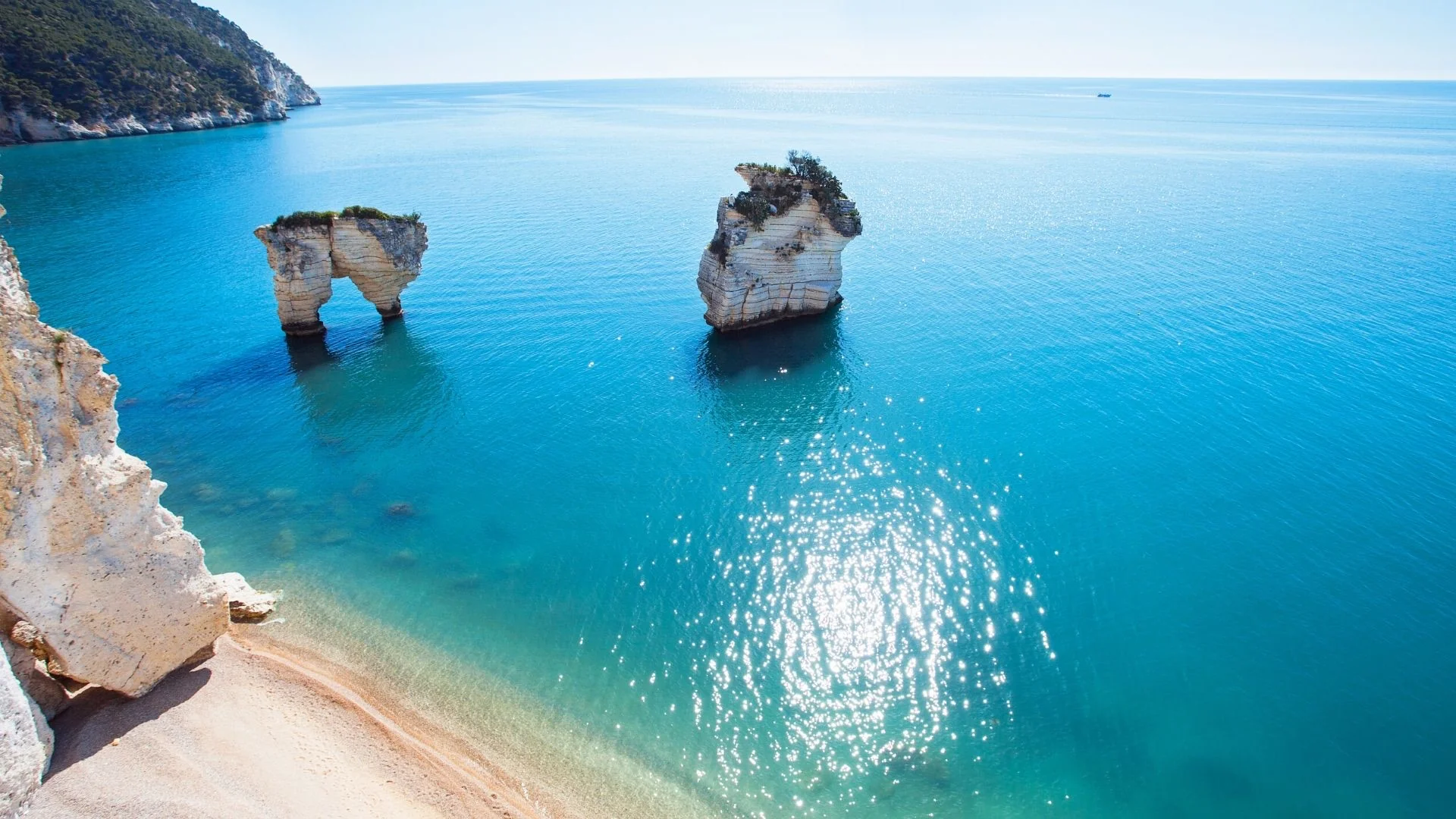
If you come to Manfredonia only for the sea, you're missing half the story. The other half is on the plate. The cooking of Manfredonia is sea and mountain food at once — tradition and improvisation, noble ingredients used without ceremony. It isn't chef's-table cuisine; it's something better: it's the food of people who have lived near the harbour for generations and know exactly what to do with what the sea gives back every morning.
The harbour and the fish market: where it all begins
Everything starts at the harbour, in the early morning hours, when the fishing boats return from their night at sea. Manfredonia has one of the most active fishing fleets on the Adriatic: boats that go out every evening and come back at dawn loaded with what the gulf has to offer. The fish market is chaotic, hurried, beautiful. You'll see red prawns that are still moving, octopuses tangled like dancing limbs, cuttlefish full of black ink, red mullet the colour of fresh nail polish.
The price changes every day depending on the catch. You will never see a frozen fish. Ask the vendor for advice — what to buy, how to cook it — and they will answer with the same dedication as a mother passing a recipe to her daughter. It's a market that still works like a community, not a distribution chain. Many of the restaurants in the historic centre buy directly from here every morning: that's why the fish in local dishes has a flavour that's hard to replicate elsewhere.
Farrata: Manfredonia's signature dish
If you had to bring home a single taste from Manfredonia, this would be it. Farrata is a rustic pastry filled with fresh sheep's ricotta, boiled spelt and marjoram — a combination that sounds simple and turns out to be extraordinarily balanced. The ricotta softens, the spelt gives structure, the marjoram perfumes and cuts through the richness of the cheese. The result is substantial but not heavy, ancient but not austere.
It's traditionally made at Carnival, and is one of those dishes that people from Manfredonia take with them when they move away — in their luggage, in their memories, in their homesickness. Finding a good farrata outside Manfredonia is nearly impossible. Some bakeries and trattorie in the town centre prepare it year-round to order. If you're here during Carnival, it's non-negotiable.
Polpo alla pignata and the old recipes
A pignata is a terracotta pot. Polpo alla pignata is octopus cut into pieces and slow-cooked with fresh tomatoes, garlic, white wine and a drizzle of extra-virgin olive oil. The slow cooking — at least an hour, over the lowest possible heat — makes the meat incredibly tender, and the juices from the terracotta pot transform the tomato into a sauce you can't replicate at home with a normal pan. Terracotta releases minerals, absorbs the flavours of previous cookings, distributes heat evenly. It's a utensil, but it has the memory of every dish ever cooked inside it.
This dish is the emblem of Manfredonia cooking: not complicated, no exotic ingredients, no chef technique required. It needs time, patience and good raw materials. It's kindness cooked into time.
Panzerotti, taralli and genuine snacking
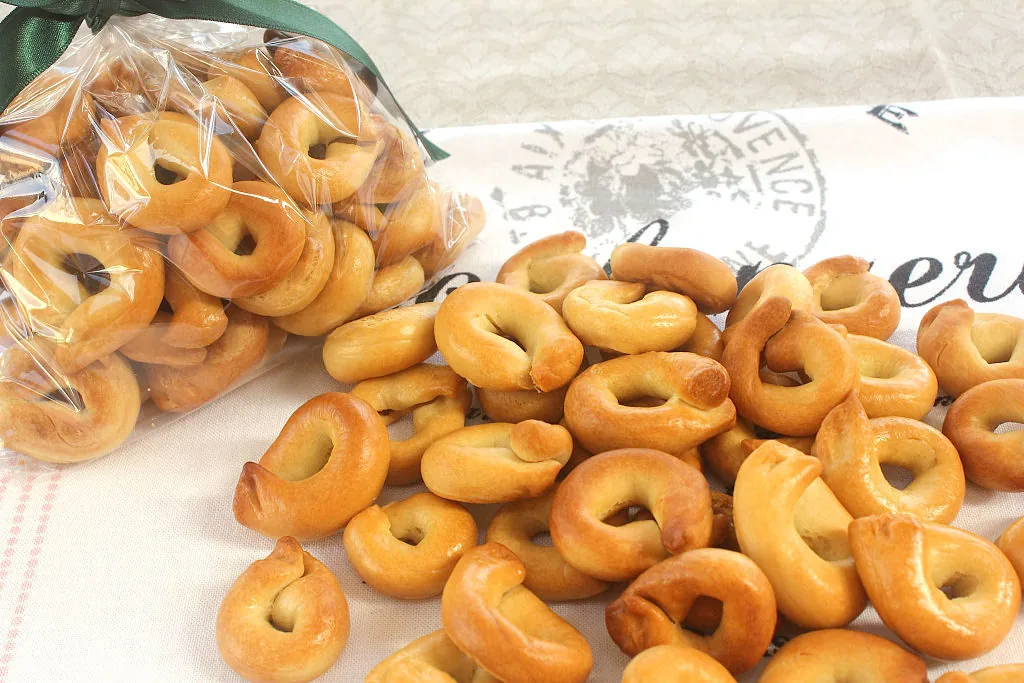
Manfredonian panzerotti are fried pastry filled with meat ragù, cooked quickly in hot oil until crispy outside and soft inside. Don't confuse them with the classic Puglian panzerotti filled with mozzarella and tomato: here the filling is meat, the flavour richer, the texture different. Taralli are ring-shaped savoury biscuits — crispy, in fried or baked versions, plain or flavoured with fennel seeds, chilli or olives. At Casa e Bottega we always leave a bag in guests' rooms for those who can't resist the midnight temptation.
Cuttlefish, orecchiette and the peasant-fisherman kitchen
The cuisine of the Gargano was born from the encounter between sea and hinterland. From the sea come braised cuttlefish, orecchiette with octopus ragù, and the local fish stew brodetto (made with vinegar and chilli, not tomato). From the inland come ciambotta — a summer stew of aubergines, peppers and tomatoes — and caciocavallo podolico cheese pan-fried with a little honey, a dish that is neither starter nor dessert but something in between, one you only understand once you've eaten it.
The difference between the coastal cuisine and the Gargano inland cuisine is real and you can taste it. Coming down towards Manfredonia, fish dominates; heading up towards Monte Sant'Angelo and the interior, meat, mushrooms and aged cheeses take over. Staying at Casa e Bottega puts you in the ideal position to taste both traditions within just a few kilometres.
Local wines and cheeses
Nero di Troia is the native red wine of northern Puglia: tannic, structured, with notes of dark fruit and spice. It's not a light wine — it pairs well with meat dishes and aged cheeses, but also holds its own with octopus and more intense seafood dishes. The Primitivo produced here in its local variant is warmer and softer. Falanghina del Gargano is the reference white of the area: fresh, aromatic, with a minerality that reflects the volcanic and calcareous terrain of the promontory. It's the right wine for raw fish and fried dishes.
Caciocavallo podolico deserves special mention. It's a cheese made from the milk of podolica cows — an ancient breed that grazes semi-wild in the forests of the Gargano — with an elastic, stringy paste when young and dry and intense when aged. Smoked on the grill, eaten with homemade bread and a glass of Nero di Troia, it's one of the most honest flavours the Gargano has to offer.
Where to eat like a manfredone
Avoid the restaurants on the seafront with menus in four languages and laminated photos of the dishes at the entrance. Those places exist to catch passing tourists — they function, but they tell you nothing about Manfredonia. Go into the alleyways of the historic centre, to places with small signs, where the owner is also the cook and the menu changes based on what was at the market this morning. Ask your neighbours at Casa e Bottega where they ate well: after two days, they already know where to go.
A practical tip: many of the best places have no website and don't take online reservations. Go in person in the afternoon, ask if there's a table for the evening, and the answer will almost always be yes — and the table will be the best one in the room.
Frequently asked questions about Manfredonia cuisine
If you have more time, our 7-day Gargano itinerary will help you plan a full week from Manfredonia — beaches, villages, forests and the Tremiti Islands.
What is the typical dish of Manfredonia?
The most typical dishes of Manfredonia are polpo alla pignata (octopus slow-cooked in a terracotta pot with tomatoes, garlic and wine) and farrata, a rustic puff-pastry pie filled with sheep's ricotta, boiled spelt and marjoram, traditionally made at Carnival.
What is farrata?
Farrata is a traditional speciality of Manfredonia: a rustic puff-pastry pie filled with fresh sheep's ricotta, boiled spelt and marjoram. It's traditionally prepared at Carnival and is considered one of the city's symbolic dishes — almost impossible to find outside Manfredonia.
Where can I buy fresh fish in Manfredonia?
Manfredonia's fish market is near the harbour and is lively in the early morning hours when the fishing boats come in. It's the best place to buy ultra-fresh fish at honest prices. Many restaurants in the centre buy directly there every morning.
Which wines are produced in the Gargano?
In the Gargano area and northern Puglia the main wines are Nero di Troia (structured, tannic red), Primitivo (warm and intense) and Falanghina del Gargano (fresh, aromatic white). These are characterful native Puglian wines, ideal with fish and local dishes.
Are there good fish restaurants in Manfredonia?
Yes — Manfredonia has an excellent range of seafood restaurants, especially in the historic centre and near the harbour. The best places have small signs, owners who are present in the dining room, and menus that change daily based on the catch. Avoid the seafront restaurants with menus in many languages.